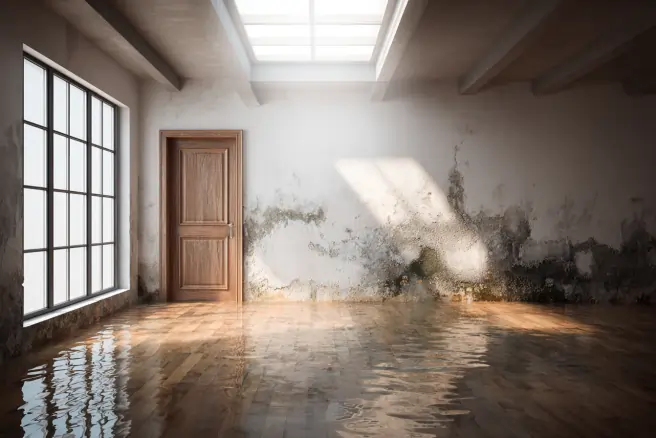
Mold can pose serious risks to your home’s structure and your health. Preventing mold growth is far easier and more cost-effective than dealing with a full-blown infestation. By following effective strategies, you can keep your home clean, safe, and mold-free.
Control Indoor Humidity Levels
Maintaining proper humidity levels in your home is one of the most important steps in preventing mold. Mold thrives in environments with high moisture levels, so controlling humidity is key.
- Ideal Humidity Range: Keep indoor humidity between 30% and 50%.
- Use Dehumidifiers: Place dehumidifiers in damp areas such as basements or poorly ventilated rooms.
- Ventilation: Ensure proper ventilation by using exhaust fans in bathrooms, kitchens, and laundry rooms.
Address Water Leaks Immediately
Water leaks create the perfect environment for mold to grow within as little as 24 to 48 hours. Regularly inspect your home for leaks and address them promptly.
- Plumbing pipes under sinks and behind walls.
- Roofs with missing or damaged shingles.
- Windows with improper sealing.
- Seal cracks or gaps around windows, doors, or foundations.
- Fix leaking faucets or pipes immediately.
- Clean gutters regularly to avoid water pooling near the foundation.
Improve Air Circulation
Proper airflow can prevent moisture buildup inside your home, reducing the risk of mold.
- Move furniture slightly away from walls to allow air circulation.
- Open windows periodically, especially after activities like showering or cooking that produce excess moisture.
- Use ceiling fans to improve air movement during warmer months.
Regular Cleaning Practices
- Bathrooms: Scrub tiles and grout using mold-resistant cleaners.
- Kitchens: Clean grease buildup from cooking surfaces and ensure no water sits under sinks.
- Basements/Attics: Remove clutter that restricts airflow and traps moisture.
Use Mold-Resistant Products
If you’re renovating or building a new space, consider using materials designed to resist mold growth.
Examples include: | Area | Recommended Products | |———————|————————————————–| | Drywall | Mold-resistant drywall panels | | Paint | Anti-microbial paints | | Insulation | Fiberglass insulation instead of organic-based |
These materials are specially designed to discourage fungal growth when exposed to moisture over time.
Inspect High-Risk Areas Frequently
- Basements
- Crawl spaces
- Bathrooms
- Under-sink cabinets
- HVAC systems
During inspections: – Look for discoloration on walls or ceilings (greenish-black spots). – Check for musty odors that could indicate hidden mold colonies.
Taking proactive measures like these will help identify potential issues early before they escalate into larger problems.
By adopting these strategies into your routine maintenance plan, you’ll create an environment that actively prevents mold growth while ensuring long-term protection for both your family’s health and the integrity of your home’s structure.
How a Mold Removal Company Can Protect Your Health and Well-Being
Mold growth in your home goes beyond being an unsightly nuisance; it can pose significant risks to your health and overall well-being. Understanding these effects is crucial for maintaining a safe and healthy living environment. Mold exposure can impact individuals differently, depending on the type of mold, the extent of exposure, and personal sensitivities.
Effective Black Mold Removal to Prevent Health Issues
- Sneezing
- Runny or congested nose
- Itchy eyes, nose, or throat
- Skin rashes
- Wheezing or difficulty breathing
- Exacerbation of asthma symptoms in asthma sufferers
- Chronic sinus infections
- Neurological Symptoms (in cases of toxic mold exposure):
- Headaches or migraines
- Fatigue or persistent tiredness
- Difficulty concentrating (“brain fog”)
Individuals with weakened immune systems, respiratory conditions, or chronic illnesses are at higher risk for severe reactions.
Understanding the Long-Term Health Effects and Importance of Mold Removal Services in Hialeah FL
- Chronic Respiratory Conditions: Long-term inhalation of mold spores can result in ongoing respiratory inflammation, which may contribute to developing chronic bronchitis.
- Fungal Infections: Certain molds, such as Aspergillus, can cause fungal infections in people with compromised immune systems.
- Toxic Effects: Exposure to molds that produce mycotoxins (e.g., Stachybotrys chartarum, often referred to as “black mold”) may lead to neurological symptoms like memory loss and mood changes over time.
How Mold Impacts Mental Well-Being
- Increased Stress Levels: Living in an environment with visible mold growth or persistent damp odors can cause anxiety and stress for homeowners concerned about their property’s condition.
- Mood Changes: Studies suggest that prolonged exposure to certain toxic molds might be associated with depression-like symptoms.
Reducing the Risk of Health Issues from Mold
- Use dehumidifiers in high-humidity areas like basements.
- Ensure proper ventilation in bathrooms and kitchens.
- Repair plumbing leaks immediately.
- Inspect roofing regularly for potential water entry points.
- Remove any visible mold using appropriate cleaning methods (e.g., soap and water for small areas).
- Dispose of porous materials like carpets if they have extensive contamination.
- Use air purifiers with HEPA filters that capture airborne spores.
| Type of Mold | Associated Health Risks | Common Locations |
| Aspergillus | Allergies, fungal infections | Dust, air conditioning systems |
| Cladosporium | Allergic reactions | Wood surfaces, textiles |
| Stachybotrys (Black Mold) | Mycotoxin-related illnesses | Water-damaged materials |
Taking proactive measures will help mitigate the risks associated with indoor mold while promoting a healthier home environment. Recognizing early signs of its presence is equally important as addressing underlying causes such as moisture intrusion or poor ventilation.
Essential Steps for Cleaning and Removing Mold Safely
Mold can be a persistent and hazardous issue in homes. When it comes to addressing a mold problem, safety is paramount to protect your health and prevent further contamination. Below are essential steps for cleaning and removing mold safely, ensuring that your efforts are effective and secure.
1. Assess the Situation Before You Start
- Small Mold Patches: If the affected area is less than 10 square feet (e.g., spots on walls or ceilings), you may be able to handle it yourself using proper precautions.
- Large or Widespread Growth: For areas larger than 10 square feet or if mold has spread into HVAC systems, professional remediation is recommended.
- Hidden Mold: If you suspect mold behind walls or under flooring but cannot see it directly, consider hiring a mold inspection specialist.
2. Equip Yourself with Proper Protective Gear
- N95 respirator mask to avoid inhaling spores.
- Rubber gloves to protect your hands from irritants.
- Safety goggles to shield your eyes from debris.
- Long-sleeved clothing that can be washed or discarded after use.
3. Contain the Area
- Close doors leading to other parts of your home.
- Use plastic sheeting secured with tape over doorways and vents to limit spore spread.
- Keep windows open in the work area for ventilation if weather conditions allow.
4. Remove Affected Materials
| Material | Action Required |
| Drywall | Remove any visibly damaged sections entirely. |
| Soft Furnishings (e.g., carpets) | Discard if deeply contaminated, as cleaning may not fully remove spores. |
| Wood Surfaces | Scrub thoroughly with detergent; replace if rot is extensive. |
Seal removed materials in heavy-duty garbage bags before disposing of them.
5. Clean Surfaces Thoroughly
- Scrub with water and detergent until mold stains are gone.
- Rinse thoroughly with clean water.
- Use a mixture of water and detergent but avoid over-saturating the material.
- Follow up with a diluted bleach solution (1 cup bleach per gallon of water) for added disinfection.
Always allow all surfaces to dry completely before restoring items or repainting walls.
6. Address Moisture Issues
- Fix plumbing leaks immediately.
- Improve ventilation by installing exhaust fans in bathrooms or kitchens.
- Use dehumidifiers in areas prone to high humidity levels (e.g., basements).
7. Monitor for Recurrence
- Check previously affected areas periodically for new signs of growth.
- Continue maintaining low indoor humidity levels (30–50%) using hygrometers for accuracy.
Taking these steps ensures that you tackle existing mold effectively while minimizing health risks during cleanup efforts—ultimately creating a safer environment for everyone in your home.
Essential Steps for Cleaning and Removing Mold Safely
Mold removal must be approached with care to ensure both safety and effectiveness. If handled improperly, mold can spread further or pose risks to health. Below are detailed steps for safely cleaning and removing mold from your home.
1. Assess the Extent of the Problem
Before starting the removal process, it’s essential to evaluate the size and scope of the mold issue.
– Small Areas: Patches under 10 square feet may be manageable for homeowners.
– Larger Areas: For areas above this size or where mold has spread within walls or HVAC systems, a professional remediation specialist is recommended.
2. Wear Proper Personal Protective Equipment (PPE)
Safety is key when handling mold to avoid respiratory irritation or skin reactions. Proper protective gear includes:
– N95 respirator mask or equivalent
– Non-porous gloves (e.g., nitrile or rubber gloves)
– Safety goggles without ventilation holes
– Long-sleeved clothing that can be washed or discarded after use
3. Isolate the Affected Area
Prevent mold spores from spreading to other parts of your home by sealing off the contaminated area with heavy-duty plastic sheeting and duct tape. Shut doors and windows in adjacent areas during cleanup.
4. Address Moisture Issues First
Mold thrives in damp environments, so eliminating moisture sources is critical:
– Fix leaks in plumbing, roofs, or windows immediately. – Use a dehumidifier to reduce indoor humidity levels below 50%.
Without addressing moisture problems, mold is likely to return even after cleaning.
5. Choose Appropriate Cleaning Agents
| Material | Cleaning Method | Notes |
| Non-Porous Surfaces | Scrub with water and detergent | Avoid using bleach unless absolutely necessary as it may damage surfaces |
| Porous Materials | Remove and dispose (e.g., drywall, carpet) | Porous materials often retain spores even after cleaning |
| Wood | Sand lightly if necessary; clean with vinegar or detergent solution | Ensure wood is thoroughly dry before sealing |
Tip: Avoid mixing chemicals like bleach and ammonia as they produce toxic gases.
6. Clean Up Safely After Removal
Once visible mold is removed from surfaces: – Use a HEPA vacuum cleaner to clean up any residual spores in the area. – Dispose of contaminated materials (e.g., rags, sponges) in sealed plastic bags. – Wash hands thoroughly after completing cleanup.
7. Monitor for Recurrence
After remediation efforts are complete: – Inspect previously affected areas regularly for signs of recurring growth. – Keep humidity levels low using air conditioners, fans, or dehumidifiers. – Consider installing moisture sensors in high-risk areas like basements and attics.
By following these steps methodically, you can remove existing mold safely while minimizing risks of exposure or recurrence over time.
What to Do to Prevent Mold Growth After a Flood or Water Damage Incident
Mold can grow quickly in the aftermath of a flood or water damage, often within 24 to 48 hours. Taking prompt and effective steps is essential to prevent mold growth and protect your home and health. Here’s a comprehensive guide on how to address the situation and minimize the risks associated with mold development.
Assess the Extent of Water Damage
After any flooding or water damage incident, the first step is understanding the scope of the problem. A thorough inspection helps you plan your remediation efforts effectively.
- Check for standing water: Look for any areas where water has pooled, especially in basements, crawl spaces, or low-lying sections of your home.
- Inspect hidden areas: Pay attention to less obvious locations such as behind walls, under carpets, or inside HVAC systems.
- Document damage: Take photographs and note affected areas for insurance claims or consultations with professionals.
Prioritize Drying Your Home
Moisture control is critical in preventing mold growth post-flooding. The faster you can dry out affected materials and spaces, the better.
- Use pumps or wet vacuums designed for this purpose.
- Dispose of wastewater away from your home’s foundation.
- Open windows and doors when weather permits.
- Use fans strategically to promote air circulation in damp areas.
- Dehumidifiers help reduce moisture levels in enclosed spaces such as basements and bathrooms.
- Monitor humidity levels; aim for a relative humidity below 50%.
- Carpeting, insulation, and upholstered furniture are often unsalvageable after prolonged exposure to water.
Clean Surfaces Properly
Even after drying an area thoroughly, it is important to clean surfaces that were exposed to water to remove any mold spores that may have started growing.
- Hard surfaces: Wipe down walls, floors, tiles, and countertops with a solution of detergent and water.
- Porous materials: Items like drywall may need removal if they appear stained or deteriorated.
- Disinfect when appropriate: Use products recommended by professionals (such as solutions containing bleach) but exercise caution when applying these chemicals indoors.
Repair Structural Issues Promptly
| Area Affected | Recommended Action |
| Walls & Flooring | Replace damaged drywall; refinish wood |
| Roofing | Inspect for leaks or missing shingles |
| Plumbing | Repair burst pipes; inspect joints |
Delayed repairs increase vulnerability not only to mold but also other complications like pest infestations or rot.
Prevent Future Water Intrusions
- Install sump pumps in vulnerable basements.
- Ensure gutters direct rainwater away from your foundation.
- Seal cracks around windows and doors with caulk or weatherstripping.
By taking these steps immediately following a flood incident—or better yet during cleanup—you significantly reduce long-term risks associated with mold infestation while maintaining safer living conditions.
Finding the Best Hialeah FL Mold Removal Company: When and Why It’s Necessary
Mold testing is a critical step in identifying and addressing mold issues in your home or workplace. Even if visible mold is not apparent, hidden colonies could compromise air quality and lead to health risks. Knowing when and why mold testing is necessary will help maintain a safe environment for everyone: https://evercleanmoldremoval.com/locations/hialeah-fl-mold-remediation
Below, we explore the key aspects of mold testing, including its importance, methods, and actionable tips.
Why Mold Testing Is Important
- Protects Health: Prolonged exposure to mold can cause respiratory issues, allergic reactions, or aggravate asthma symptoms.
- Pinpoints Hidden Mold: Not all mold growth is visible. It may be lurking behind walls, under flooring, or within your HVAC system.
- Prevents Structural Damage: Early detection through testing can prevent costly damage caused by unchecked mold growth.
- Monitors Air Quality: Mold tests assess indoor air quality and measure spore concentration levels.
When Should You Consider Mold Testing?
- After Water Damage Incidents
Flooding or leaks create an ideal environment for mold growth. Even after drying out affected areas, it’s critical to test for any lingering spores. - Unexplained Health Symptoms
If occupants experience persistent coughing, sneezing, headaches, or skin irritation without a clear cause, consider testing for hidden molds. - Buying or Selling Property
Conducting a thorough inspection during real estate transactions can avoid potential disputes or surprises later. - Visible Spots or Musty Odors
Dark stains on ceilings or walls and persistent earthy smells often indicate microbial activity that requires investigation. - High Humidity Levels Indoors
Homes with humidity levels above 60% provide favorable conditions for spore proliferation.
Types of Mold Testing Methods
| Test Method | Description | Best For |
| Air Sampling | Measures spore concentration in indoor air | Assessing overall air quality |
| Surface Testing | Collects samples from specific surfaces | Identifying visible contamination |
| Bulk Testing | Examines materials like drywall for embedded spores | Understanding deep contamination |
| Culture-Based Testing | Grows collected molds in a lab to identify species | Determining specific types of fungi |
Tips for Accurate Mold Testing
- Hire certified professionals who use accredited laboratories for analysis.
- Avoid over-the-counter DIY kits as they may not provide comprehensive results.
- Test multiple areas of your home rather than relying on one sample.
- Conduct follow-up tests after remediation efforts to confirm successful removal.
Mold testing is an essential component of maintaining a healthy indoor environment. By knowing when it’s necessary and employing proper methods, you can keep your space safe from potential hazards caused by undetected molds.
Everything You Need to Know About Inspecting and Repairing Leaks to Avoid Mold
One of the most effective ways to prevent mold growth in your home is by addressing leaks promptly and thoroughly. Leaks create moist environments, which are ideal conditions for mold to thrive. Below, we cover everything you need to know about identifying leaks, inspecting problem areas, and making necessary repairs to avoid mold development.
Common Areas Prone to Leaks
- Roof: Damaged shingles, flashing issues, or clogged gutters can lead to roof leaks.
- Plumbing Systems: Burst pipes, faulty connections, and worn-out seals around sinks, showers, and toilets are common culprits.
- Windows and Doors: Improper sealing or deteriorating weatherstripping allows water intrusion.
- Basements and Crawl Spaces: Poor drainage systems or cracks in foundation walls may cause water seepage.
- Appliances: Dishwashers, washing machines, refrigerators with water dispensers, and HVAC systems can develop leaks over time.
Routine inspection of these areas is critical for early detection.
Signs of a Leak: What to Look For
- Water Stains: Brownish-yellow discoloration on walls or ceilings.
- Musty Odors: Persistent damp smells often signal hidden moisture.
- Peeling Paint or Wallpaper: Excessive moisture causes these materials to lose adhesion.
- Increased Water Bills: A sudden spike might indicate an undetected plumbing leak.
- Visible Dripping or Puddles: Obvious signs of active water intrusion.
Conduct regular checks in high-risk areas like under sinks, behind appliances, and near windows.
Steps for Inspecting Leaks
- Examine walls, ceilings, floors, and pipes for stains or visible moisture.
- Check insulation in attics or basements for dampness.
- Confirm that caulking around tubs, sinks, windows, and doors is intact.
- Low pressure could indicate a hidden pipe issue within the system.
- For hard-to-see leaks inside walls or flooring materials.
- Ensure downspouts direct water away from your home’s foundation.
Best Practices for Repairing Leaks
- Address small cracks with waterproof sealants like silicone caulk.
- Replace worn-out weatherstripping on windows/doors as needed.
- Repair damaged roof shingles promptly; consider professional help if extensive damage exists.
- Tighten loose pipe connections using adjustable wrenches; replace corroded sections entirely if necessary.
- Install drainage solutions like French drains near foundations prone toward pooling rainwater runoff.
For widespread damages (e.g., burst pipes), consult licensed professionals who can handle complex plumbing tasks safely without exacerbating risks tied directly towards future recurrence-related molds formation cases arising afterward too frequently unchecked prolonged intervals passing unnoticed homes unnoticed mostly-publicly-speaking anyhow longer durations overall time spans involved initially tracking back.
- Essential Mold Remediation Strategies for a Safer Home
- Effective Mold Removal Services Hialeah, FL – Preparation and Treatment Explained
- Comprehensive Guide to Hialeah, FL Mold Remediation and What a Mold Removal Company Does
- Comprehensive Guide from a Hialeah, FL Mold Removal Company for a Safe and Healthy Home
- The Importance of Professional Mold Remediation for Your Health and Property
- Choosing the Right Mold Removal Company to Prevent Black Mold Regrowth
- Discover the Hidden Places Mold Can Lurk with a Trusted Mold Removal Company